How Can An Ice Storm lead To Home Repairs? Spot Risks Now In Columbia SC
Did you know? Just one inch of ice can add over 500 pounds to the average roof
Startling Facts: How Can an Ice Storm Lead to Home Repairs in Columbia SC?
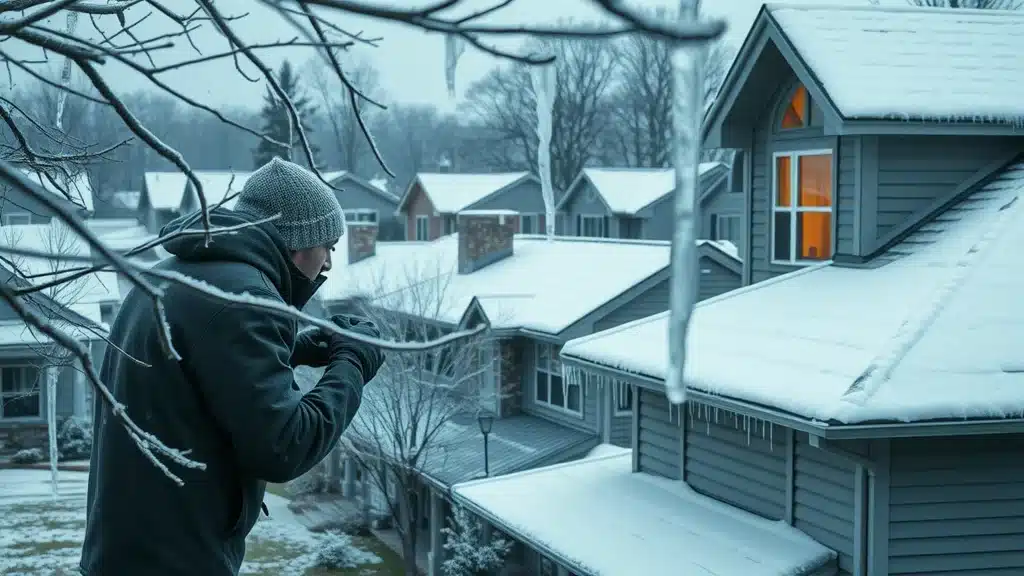
When a winter storm hits Columbia, SC, the ice and snow don’t just create a picturesque scene—they quickly set the stage for storm damage, costly repairs, and disruption to your daily life. Heavy snow and freezing rain can accumulate rapidly, leading to an array of issues. Icicles and ice dams form along rooflines, water can seep beneath shingles, and even a small amount of accumulation may compromise the structural integrity of your home. This isn’t just about inconvenience; it’s about defending against thousands of dollars in potential losses from water damage, gutter damage, and frozen pipes.
The main keyword—how can an ice storm lead to home repairs—is often misunderstood until it’s too late. Many homeowners associate harsh winter conditions with the northern states, but Columbia’s sudden temperature swings and humidity make local homes equally susceptible. Heavy snow, when followed by a temperature drop, can freeze solid, forming thick ice layers that stress your roof, gutters, and exterior walls. A single power outage can cause heating systems to fail, leading to frozen pipes and rapidly escalating repair needs. Recognizing risks early is not just smart—it’s a necessity for every homeowner in the Midlands.
What You’ll Learn About How Can An Ice Storm Lead to Home Repairs in Columbia SC
- Key risks homeowners face during a winter storm
- Effects of snow and ice on roofs, gutters, and pipes
- Immediate steps to protect your home from storm damage
- Long-term strategies to prevent future winter weather damage
Understanding Winter Storms and Their Effects on Columbia Homes
Even though the South isn’t known for frigid blizzards, winter storms in Columbia, SC can pack a punch. Temperatures that hover around freezing create the perfect recipe for ice accumulation—more dangerous than snow alone. These storms often bring heavy snow followed by freezing rain, instantly coating roofs, driveways, and power lines. Unlike dryer climates, the Carolina humidity means ice takes longer to melt, keeping risks high even after the skies clear.
The National Weather Service repeatedly warns local homeowners: Columbia homes are not always built to withstand repeated freeze-thaw cycles, which makes structural damage more likely during winter weather. Home maintenance becomes an urgent priority, as melting ice can seep into cracks or faulty seals, leading to longer-term water damage or mold growth. An ice storm threatens more than just aesthetics; it threatens the foundation of your home’s safety and comfort.
To further reduce your risk of costly repairs, it’s important to understand the specific steps you can take to protect your property during severe weather. For a detailed look at practical home maintenance strategies that help prevent winter storm damage, explore these expert tips for safeguarding your home in Columbia.
Snow and Ice: Hidden Threats That Lead to Home Repairs
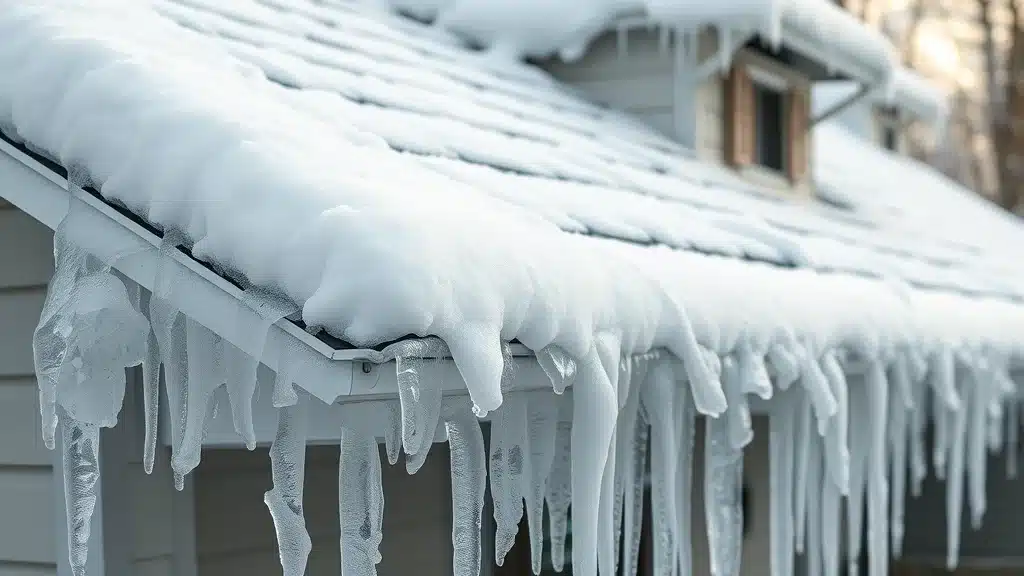
On the surface, a dusting of snow may seem harmless, but the combination of snow and ice brings stealthy hazards. As heavy snow collects on your roof, its weight can cause even new shingles or supports to buckle under pressure. Once melted by daytime sunlight, water creeps into tiny crevices, only to refreeze overnight. This expanding and contracting action slowly worsens any minor flaws in your roofing, gutters, and exterior walls.
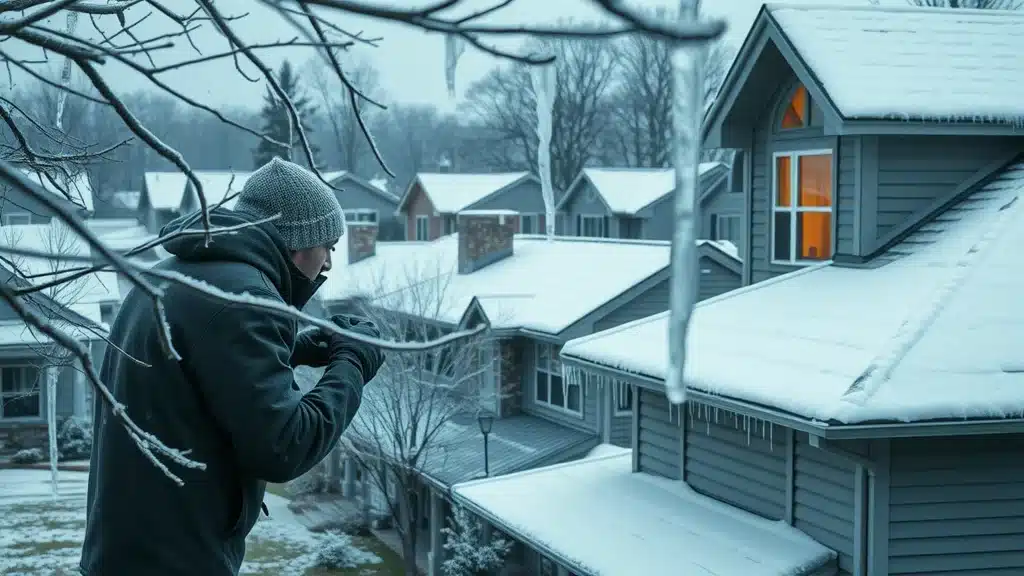
A major concern is the formation of ice dams. When heat escapes through your attic or uneven roof insulation melts the bottom layer of snow, water refreezes along the eaves and edges—blocking the path for water to flow off your home. Trapped water is forced beneath shingles and siding, resulting in hidden leaks, water damage, and eventual mold growth. These ice dam issues and the threat of frozen pipes make winter storm preparation and vigilant monitoring an absolute necessity for Columbia residents.
Storm Damage: Immediate and Lasting Risks from Ice Storms
After an ice storm, storm damage manifests in two main ways: immediate structural emergencies and longer-lasting threats that surface over weeks or months. Immediately, the crushing weight of heavy snowfall and ice loads can bring down tree limbs, power lines, and—worse yet—cause partial roof collapse. Even if you don’t lose power, strains on your home’s infrastructure may not appear until water starts infiltrating insulation layers or ceiling materials, leading to slow but devastating water damage.
Long-term, that moisture breeds unseen dangers. Subtle cracks in fascia, warped window frames, and peeling exterior paint indicate that water has found its way in. Add in power outages that disable heating and sump pumps, and your risk of frozen pipes, flooded basements, and interior mold growth increases significantly. The combination of immediate and delayed impact makes proactive home maintenance and inspection following any Columbia winter storm absolutely critical for all homeowners.
Common Types of Ice Storm Damage Requiring Home Repairs
| Type of Damage | How It Happens | Urgency of Repair |
|---|---|---|
| Roof leaks & collapse | Heavy snow/ice accumulation | Immediate |
| Water damage | Ice dams, frozen pipes burst | High |
| Gutter damage | Ice expansion or falling icicles | Medium |
| Exterior/interior wall cracks | Freeze-thaw cycles | Medium |
| Power outages effects | Frozen HVAC & electrical systems | Variable |
Water Damage: The Costliest Result of Ice Storms
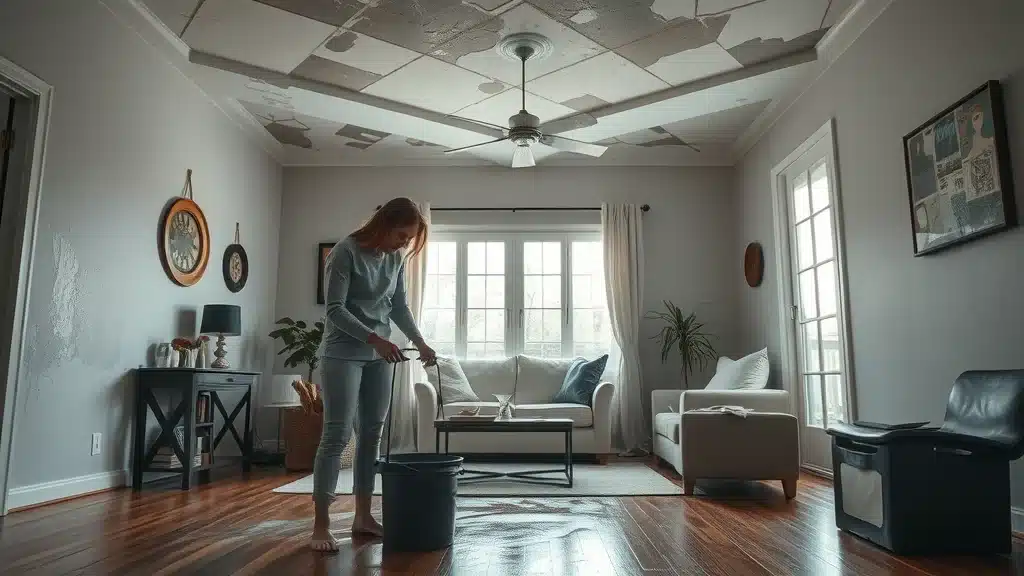
No home repair is more expensive than those involving water damage. After an ice storm, water from melting snow and ice often finds its way inside through weak spots in the roof, around windows, or through foundation cracks. The excessive moisture seeps into drywall, flooring, and insulation—sometimes unnoticed until the damage is severe. Water spots, peeling paint, and swelling wood signal that immediate intervention is necessary to save money and prevent further destruction.
During prolonged winter storms, the threat escalates if ice dams or burst frozen pipes are involved. Even a tiny seepage, left unchecked, can foster significant mold growth within days. The resulting repairs to eradicate mold, replace damaged materials, and restore air quality can run thousands of dollars—emphasizing why early identification and winter-proofing steps are so crucial in Columbia SC’s variable climate.
Ice Dams and Frozen Pipes: Critical Culprits Leading to Emergency Repairs
“Just a quarter-inch of ice dam can lead to thousands in water repairs,” says a Columbia area home restoration expert.
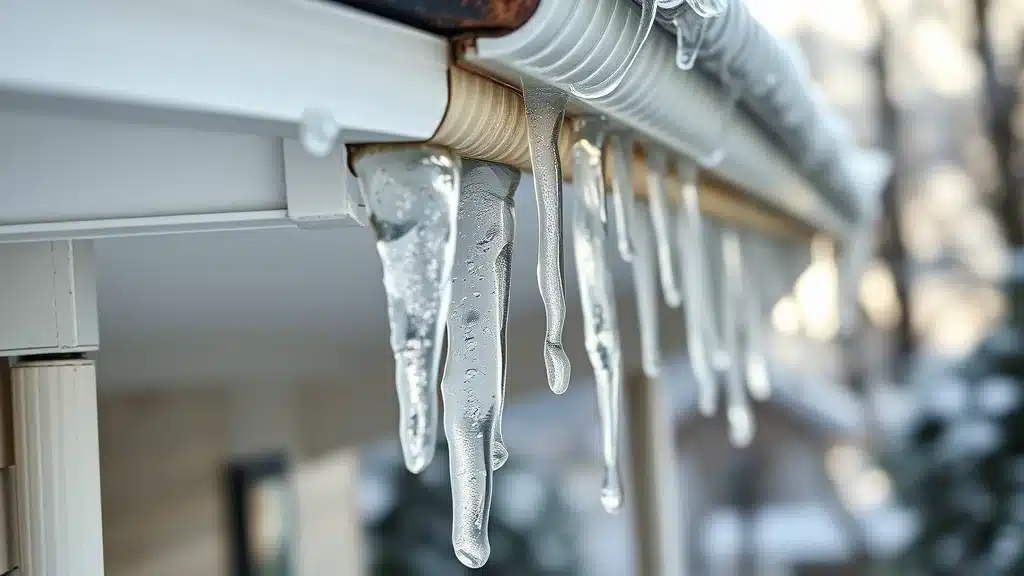
These words aren’t just a warning—they’re a reality for too many South Carolina families. Ice dams form when a warm roof melts snow, which then refreezes along colder eaves. The dammed water works its way under shingles and directly into your home, causing hidden damage to insulation, wood, and even electrical systems. Meanwhile, frozen pipes can burst from even a short power outage, releasing gallons of water behind walls or beneath floors.
Both emergencies demand immediate attention. The risk of mold growth multiplies in cold, wet conditions, and unchecked leaks may undermine the structural integrity of your home. Having a plan to prevent ice damage in advance—like adding insulation, heat cables, and protecting exposed pipes—can make the difference between a safe winter and an expensive, stressful repair project.
Identifying Risks: How to Spot Early Signs of Storm Damage
Catching the early signs of storm damage is your best line of defense when it comes to handling the aftermath of an ice storm in Columbia. After any suspected winter storm event, a walkaround inspection for issues is critical. Look high, low, and in less-trafficked corners of the home; many problems begin small but worsen rapidly if left untreated. Detecting roof sag, ice formations, moisture spots, or gutter movement can help prevent the escalation of costly repairs.
- Sagging or leaking roofs
- Icicles and ice ridges forming along eaves
- Cracks in ceiling or walls
- Gutters pulling away from the home
- Unexplained room dampness
Frequently check for these telltale signs of storm damage. Gutter damage is particularly common; when ice weighs down the system or blocks drainage, it can pull gutters loose from fascia or cause overflow against wooden soffits. Missed leaks or trapped water in the walls quickly lead to water damage and, in Columbia’s damp winters, rapid mold growth behind drywall or under flooring—doubling repair costs and health risks.
Power Outages and Their Impact on Home Systems in Winter Weather
Any interruption in your home’s power system during a winter storm brings a cascade of risks. Without heat, interior temperatures drop fast, leaving pipes and sensitive mechanical systems vulnerable. A loss of function in sump pumps or HVAC units can quickly allow water damage or even basement flooding—situations that require emergency attention to prevent lasting destruction. Low temperatures put the entire household at risk, especially in newer homes built with lighter insulation suited for mild winters.
Not all power outages result in visible issues right away. Some failures (like quietly frozen pipes or deactivated crawlspace heaters) can remain hidden until a sudden thaw reveals leaks or bursts. Moreover, power lines stressed by accumulated ice may drop or spark, posing electrical and fire dangers on top of water threats. Consistent checks and immediate response are vital after every winter event in Columbia.
What to Check After a Power Outage to Protect Your Home
- Ensure pipes are not frozen, especially in seldom-used areas
- Assess HVAC and sump pump systems for ice-related malfunctions
- Look for water pooling in basements and crawl spaces
Performing these checks right after power is restored can prevent minor issues from growing into major home repairs. Always have a clear action plan and know who to call locally for emergency winter home service.
Protect Your Home: Immediate Steps After an Ice Storm in Columbia SC
Once the storm has cleared, acting fast can mean the difference between a home safe and affordable repairs or a drawn-out, costly disaster. Never underestimate the value of a thorough post-storm assessment—even small interventions can save you thousands if taken early. Do what is safe yourself, and hire professionals for complicated or risky repairs—especially in the case of attic leaks or heavy rooftop ice.
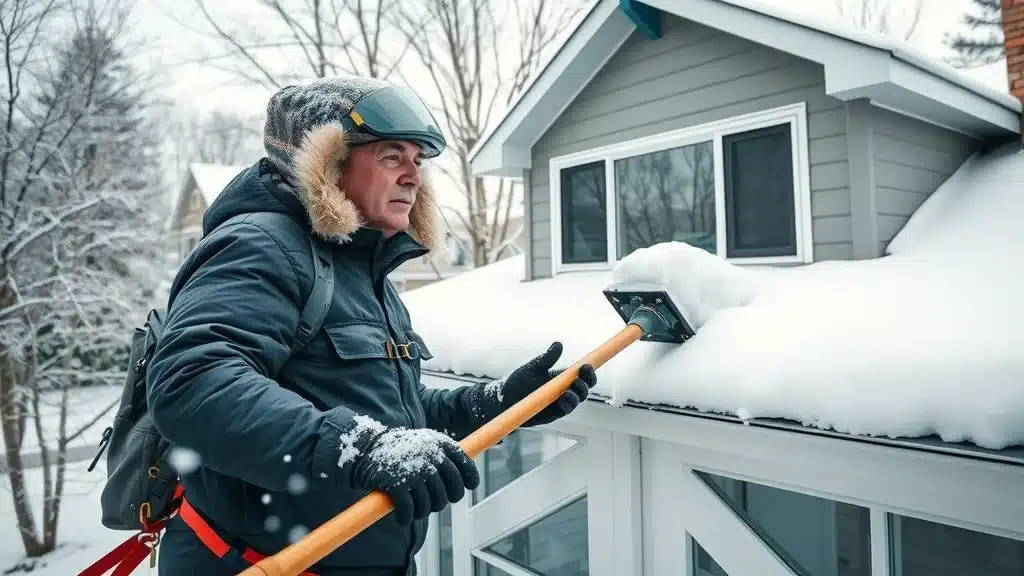
- Clear snow from your roof (if safely possible)
- Inspect gutters and downspouts for ice buildup
- Look for interior leaks or water stains
- Temporarily patch damaged windows or roofs
- Enlist professional inspections for complex damage
Proactive measures after each harsh winter episode will extend the life of your home and help you avoid repeated, costly repairs—protecting your home and your finances.
Prevent Ice and Snow Damage: Year-Round Recommendations
Investing in smart home maintenance and upgrades not only protects your property during winter but also adds value and peace of mind all season long. Small, routine tasks can prevent the types of storm damage Columbia homeowners dread each January or February. With climate volatility increasing, even uncommon events must be considered in your long-term home care plan.
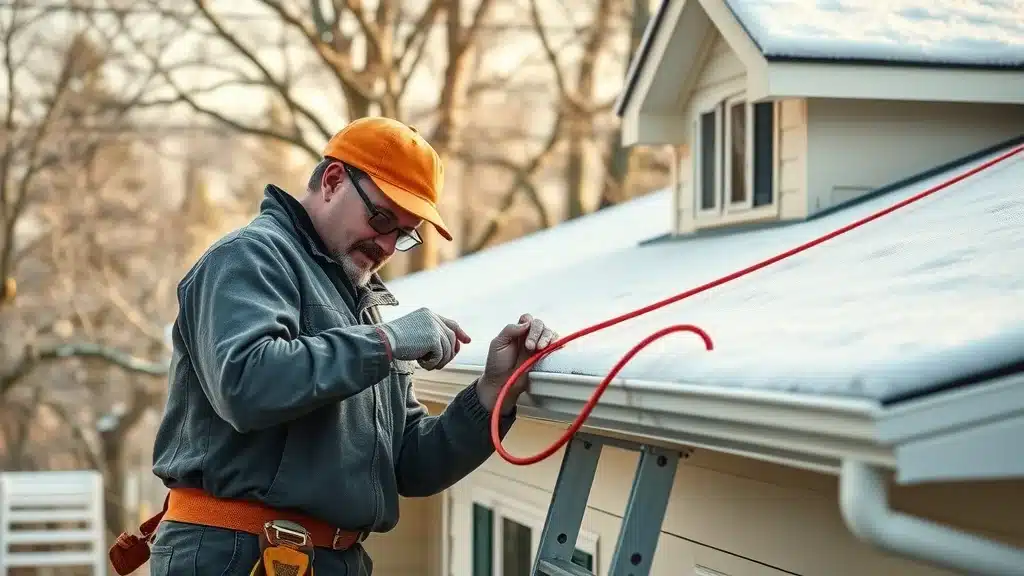
- Install heat cables along vulnerable roof lines
- Add insulation to attics and crawl spaces
- Regularly clear gutters and inspect downspouts
- Trim trees to minimize falling limb damage
- Schedule seasonal home maintenance checks
A little preparation goes a long way—adding gutter guards prevents debris buildup and ice blockages, while extra insulation surrounding pipes can stop frozen pipes in their tracks. Having a strategy in place means you’ll prevent ice and snow from leading to expensive surprises year after year.
People Also Ask About How Can an Ice Storm Lead to Home Repairs
What Damage Can an Ice Storm Cause?
An ice storm can cause a wide range of home repairs, from roof leaks due to heavy snow and ice accumulation to gutter damage as icicles weigh down and dismantle gutter systems. It can also result in water damage inside walls and ceilings, burst frozen pipes, cracked exterior walls, and even power outages that affect heating and electrical systems. The repair urgency varies but often requires immediate action to avoid additional, costlier problems.
Does Homeowners Insurance Cover Ice Damage to Roof?
Most standard homeowners insurance policies do cover storm damage to your roof caused by sudden and unexpected events like ice dams, weight of snow, or fallen limbs due to ice accumulation. However, coverage can vary—damage due to neglect or poor home maintenance may be excluded. Always review your policy details and speak directly with your insurance provider to ensure your specific risks from Columbia’s unpredictable winter weather are addressed.
What Should I Stock Up On for an Ice Storm?
For safety and preparedness during an ice storm, Columbia homeowners should have bottled water, non-perishable food, flashlights, batteries, a manual can opener, warm clothing, extra blankets, a battery-powered radio, and necessary medications on hand. Additionally, keep sand or salt for walkways, a snow shovel, and secondary heat sources ready in case of a power outage. These items help you stay safe, warm, and self-sufficient until professional help is available.
Can Ice Damage Property?
Yes, ice can absolutely damage property. Ice accumulation can stress roofs, break gutters, cause trees and power lines to fall, and allow water to infiltrate siding and foundations. This leads to storm damage, water damage, structural compromise, and costly repairs. Regular inspections and winterproofing measures are key to protecting your Columbia home when the weather turns severe.
Frequently Asked Questions About How Can an Ice Storm Lead to Home Repairs
- How quickly should repairs be addressed after storm damage?
Repairs should be made as soon as possible after storm damage, particularly for leaks, burst pipes, or compromised structural areas. Delays increase risk of worsening water damage, mold growth, and higher restoration costs. - How can I prevent frozen pipes in the future?
To prevent frozen pipes, insulate exposed plumbing, keep cabinets under sinks open to encourage warm airflow, and let faucets drip during severe cold. Adding heat tape and sealing off cold drafts helps keep pipes above freezing temperatures. - Is professional inspection necessary after a mild ice storm?
Yes—hidden issues like ice dam formation, gutter blockages, or slow leaks may not be obvious right away. A professional inspection identifies these potential hazards before they worsen, helping prevent costly repairs. - Are there emergency grants for ice storm damage in South Carolina?
Emergency grants or aid may be available after federally declared disasters. Check with state and local authorities, FEMA, and the South Carolina Emergency Management Division for information about current assistance programs.
Key Takeaways: How Can an Ice Storm Lead to Home Repairs in Columbia SC
- Ice storms are a significant cause of emergency home repairs in Columbia SC
- Roof leaks, water damage, and frozen pipes are among the most common issues
- Early detection and proactive maintenance can protect your home from winter weather
- Consulting local professionals can reduce repair costs and prevent future damage
Take Action: Affordable Home Repair Solutions for Winter Storms in Columbia SC
Protect your home against Columbia’s unpredictable winter storms. Don’t wait for storm damage to turn into a costly headache. Contact affordable home repair experts now to schedule your winter weather inspection and make sure your home stays safe, warm, and resilient all season long.
Conclusion
Early preparation, routine maintenance, and professional help are your best defense against costly home repairs after an ice storm in Columbia SC.
If you’re ready to take your home protection to the next level, consider exploring the full range of services and resources available from local experts. By staying informed and proactive, you can minimize risks and ensure your property weathers any storm with confidence. Discover how comprehensive home repair and maintenance solutions from Bailey’s Quality Homes can help you build long-term resilience and peace of mind—visit their homepage for more insight and support as you prepare for whatever winter brings.
Sources
- National Weather Service – https://www.weather.gov
- Ready.gov: Winter Weather – https://www.ready.gov/winter-weather
- Insurance Information Institute – https://www.iii.org/article/freezing-weather-and-insurance
- FEMA: Protect Your Home From Winter Storms – https://www.fema.gov/fact-sheet/protect-your-home-winter-storm
- Bailey’s Quality Homes – https://baileysqualityhomes.com/contact-us/
No external links could be added.